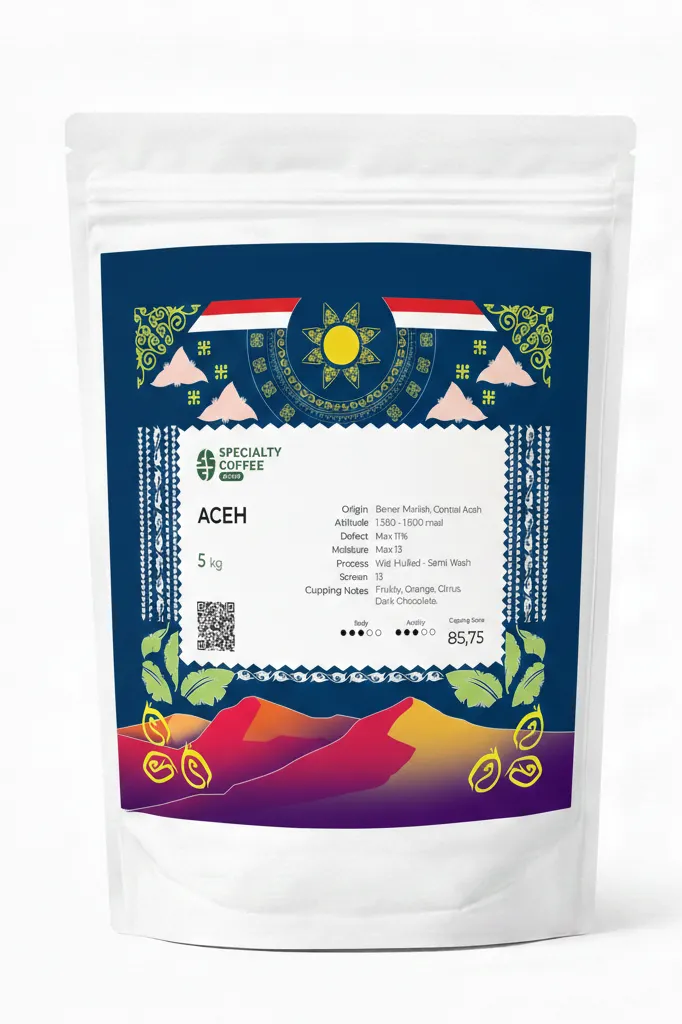
Thousands of islands stitched together by monsoon winds, volcanic soil, and the quiet discipline of hands that pick, sort, and dry coffee at the edge of the forest. To drink Indonesian coffee well is to travel: west to east, ridge to ridge, from deep shade to bright sky. Each cup is a coordinate, each name a small harbor where a story begins.
The journey opens in Aceh, where highlands hold the day in cool suspension and mist settles into the valleys like silk. Aceh Gayo Coffee carries that atmosphere in its weight: a generous body, calm sweetness, and hints of cocoa, cedar, and soft herbs that feel like walking through wet leaves after rain. In Gayo, coffee is rarely rushed. Cherries are gathered in small lots, then moved through patient hands; pulped, washed, and dried on tarps that turn sunlight into time.
From the same mountains comes Gayo Long Berry, a reminder that Indonesia’s character often reveals itself in detail. The elongated beans are typically the result of careful selection, and the cup can feel more sculpted and still plush, yet slightly more defined in aroma and finish. It is not a different place, but a different lens: the same landscape, curated with stricter attention.
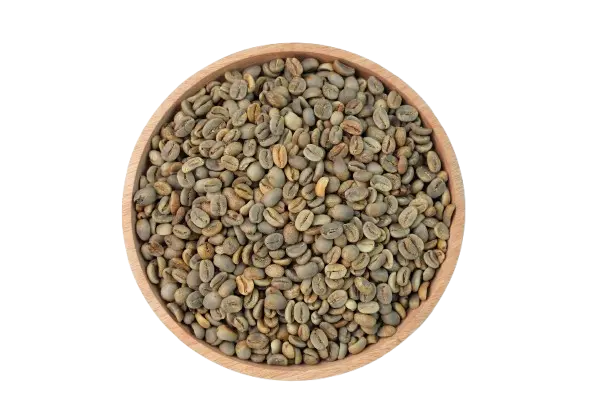
Further south, North Sumatra deepens the palette. Sumatera Mandheling and Sumatera Lintong are names spoken with a certain reverence because they offer complexity without fragility. Expect earthy resonance, warm spice, and a chocolate-like depth that lingers. These coffees are frequently linked to Indonesia’s distinctive post-harvest traditions, including partial drying and early hulling, which can emphasize body and a low, rolling sweetness. It’s as if the flavors prefer the bass register: tobacco, clove, black tea, and bittersweet cacao, rounded by molasses and a cool, earthy finish.
Blue Batak adds a poetic detour, its very name evokes culture, lakeside air, and the blue haze of morning above highland water. In the cup, it can feel quietly aromatic, with an herbal lift over a grounded core, like pine needles crushed between fingers. This is Sumatra at its most contemplative: structured, spacious, and slightly mysterious.
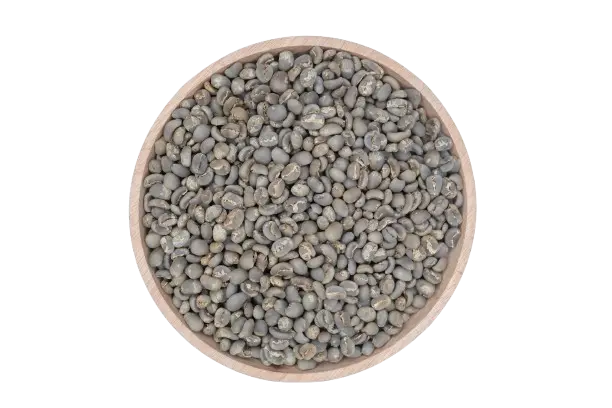
Indonesia also celebrates rarity in form. Sumatra Super Peaberry, with its single rounded bean, is a small marvel of nature, often prized for a concentrated, focused cup. Jumbo Eighteen Plus points to another kind of selection, bean size and uniformity, inviting roasters to coax clarity and balance through even heat. These lots are not marketing flourishes; they are the vocabulary of craft, the way producers and buyers speak about intention.
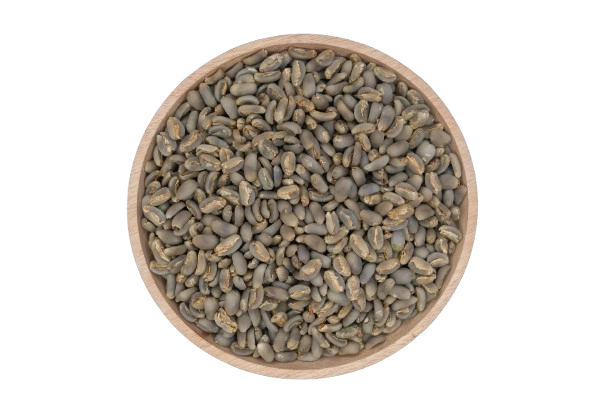
Cross the sea to Java and the rhythm changes. The island’s coffee history is long, and its gardens often feel more orderly, shaped by old routes of trade and cultivation. Arabica Java Ijen grows near volcanic slopes where mineral-rich earth meets cool elevations, producing a profile that can read cleaner and more classical: refined sweetness, gentle citrus, and a composed finish.
Java Preanger Grade 1 carries a similar sense of poise, a nod to West Java’s heritage and to meticulous grading, ripe harvests, careful fermentation, and sorting that keeps the cup poised and clean.

Then Bali, where light seems to sharpen every scent. In the Kintamani highlands, mornings can be crisp and bright, and Bali Kintamani Grade 1 often mirrors that clarity, honeyed sweetness, floral hints, and a citrus sparkle that feels like sunlight on water. Alongside it, Bali Natural tells a different tale.
With the fruit dried intact, sweetness deepens and aromatics become more exuberant, tropical suggestions, ripe fruit tones, and a longer, more perfumed aftertaste. Natural processing here is not a shortcut; it is a daily ritual of turning fruit, guarding it from sudden rain, and trusting the sun.
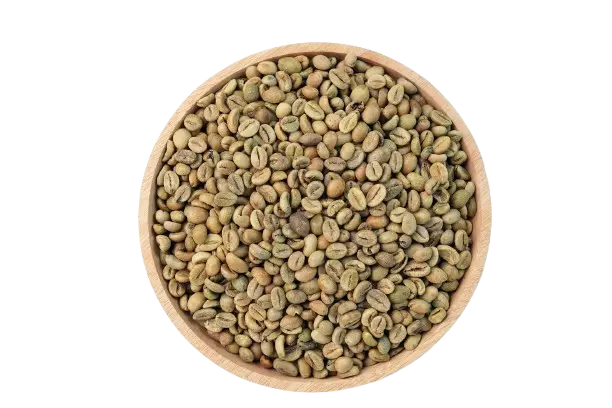
Beyond Bali lies Flores, a quieter stage where coffee gardens cling to hills and family plots feel intimate. Flores Coffee commonly offers a comforting middle path between Sumatra’s depth and Bali’s brightness: cocoa, nuts, caramel, and a soft spice that warms rather than overwhelms. It is the kind of cup that invites a second sip, then a slower third, as if the island is asking you to stay a little longer.
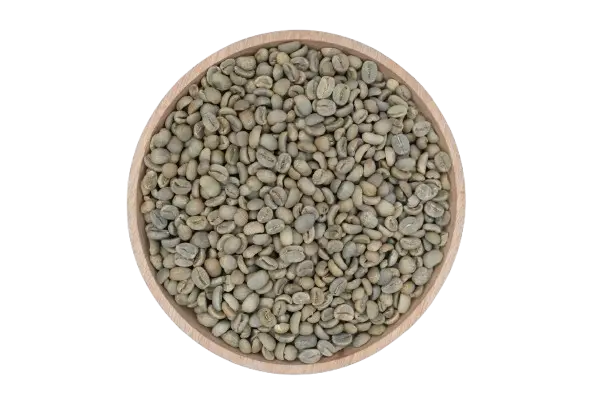
Continue east to Sulawesi, and Toraja arrives like a final chapter written in fog. Sulawesi Toraja is often admired for structure, full but not heavy, layered yet harmonious. Think dark cacao, gentle spice, and an aftertaste that feels carved rather than smeared, as if the mountain air itself has edges. It is a concluding note with dignity, the sense of a journey resolved.
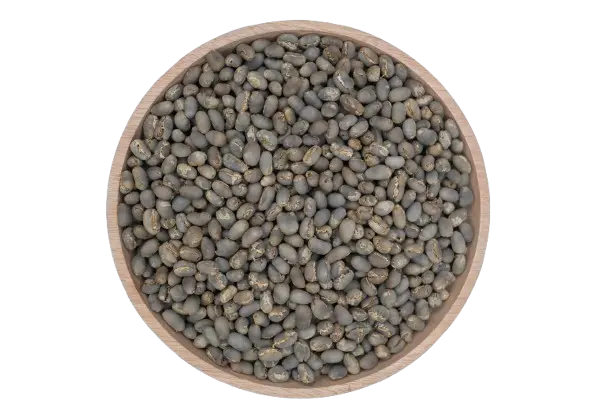
And then there is Kopi Luwak, famous for its unusual story. Today, its place in a premium narrative must be handled with care. The modern coffee world increasingly values transparency and ethical sourcing, and any discussion of Luwak should honor animal welfare and traceable practices above novelty. In Indonesia, true luxury is not spectacle; it is stewardship.
In the end, Indonesia offers more than variety. It offers a philosophy: that flavor is shaped by landscape, yes, but also by choices, how carefully cherries are picked, how thoughtfully they are dried, how respectfully they are traded. Brew any of these names and you are not merely tasting beans. You are tasting islands, seasons, and the human insistence on doing things well, one small lot at a time.