— 15 single origins · SCA 80+ · roasted to order in Medan

Premium specialty coffee, bought where it grows.

We buy green coffee at the farm gate in 15 countries, ten regions of Indonesia among them, and we cup every lot on three separate tables, publish the score, and roast it the week you order. One shop, fifteen single origins, and no importer standing between the farm and your grinder.

86.5

Avg. SCA score

15

Single origin countries

48 h

Roast to dispatch

— Who you're buying from

Origin is a fact here, not a label on the bag.

Specialty Coffee Shop is a coffee curator. We buy green coffee at the farm gate in 15 producing countries, cup it blind while the harvest is still running, and put a lot on the shelf only when the score holds across three separate tables.

That is the whole shop. No broker sets the price, no importer picks the lots, and nothing is listed from a sample we have not tasted ourselves. The bag you order is drawn from the same lot we bought by the sack.

We buy slowly, on purpose, and we publish what we found: cupping score, altitude band, process, harvest window and roast date. When a lot scores 85 instead of 88, the page still says 85.

15

Producing countries we buy in

3

Cupping tables every lot must clear

85+

Minimum SCA score we will list

— On the roaster this week

Four lots to start with.

Every bag carries a cupping score, an altitude band, a named region and a roast date. Nothing here is a blend, and nothing here is anonymous.

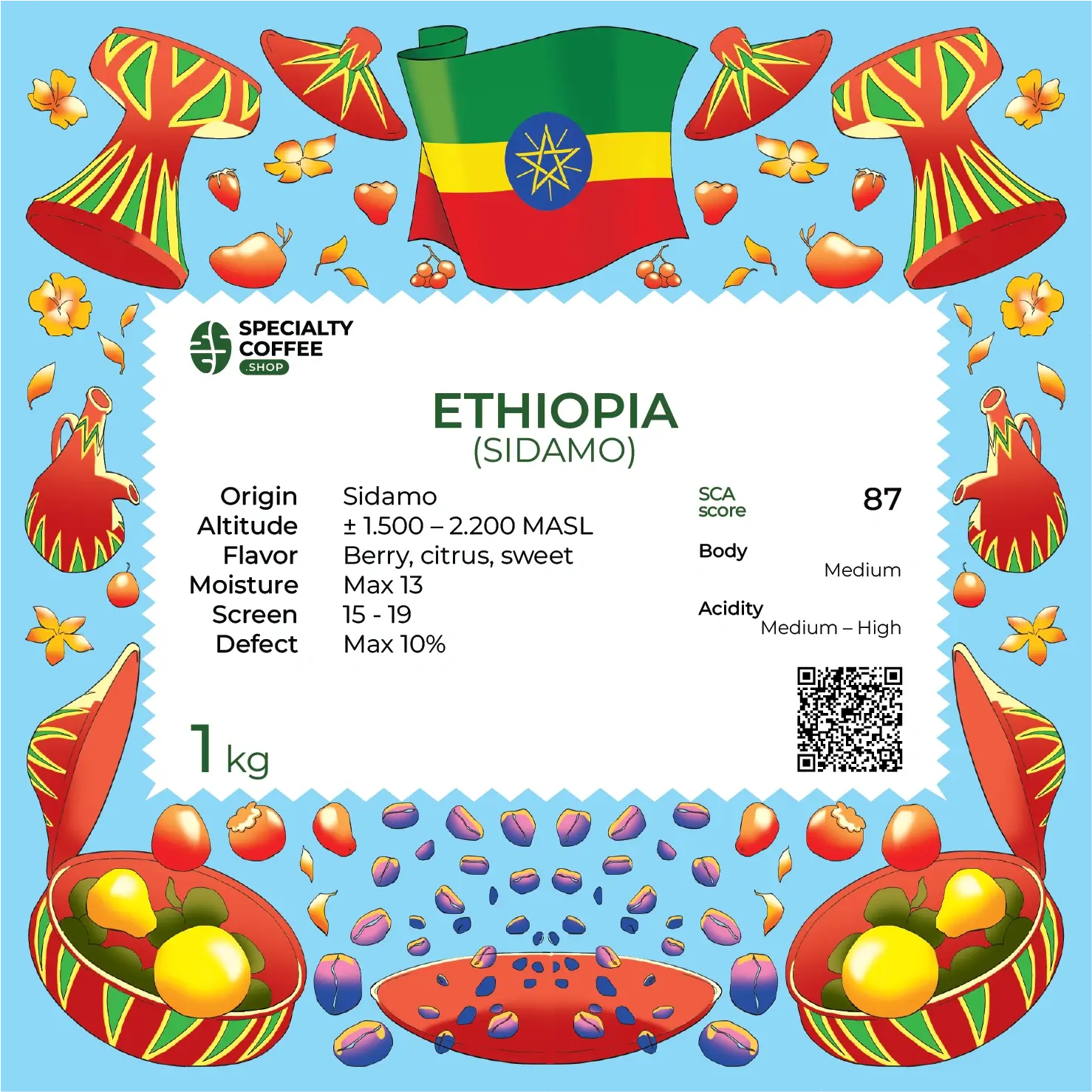
ETHIOPIA SIDAMO - 1KG
87 SCA
Berry
Citrus
Sweet
Washed ·
1500 - 2200 MASL
Medium
Price range: $20 through $100
liberica
- SCA
Smoky
Woody
Fruity
Wet-Hulled ·
0 - 1000 m from Sea Level (asl)
Medium - Dark
Price range: $18 through $32
abyssinia
86 SCA
Earthy
Spice
Dark Chocolate
Wet-Hulled ·
1200 to 1700 from Sea Level (asl)
Medium - Dark
Price range: $43 through $70
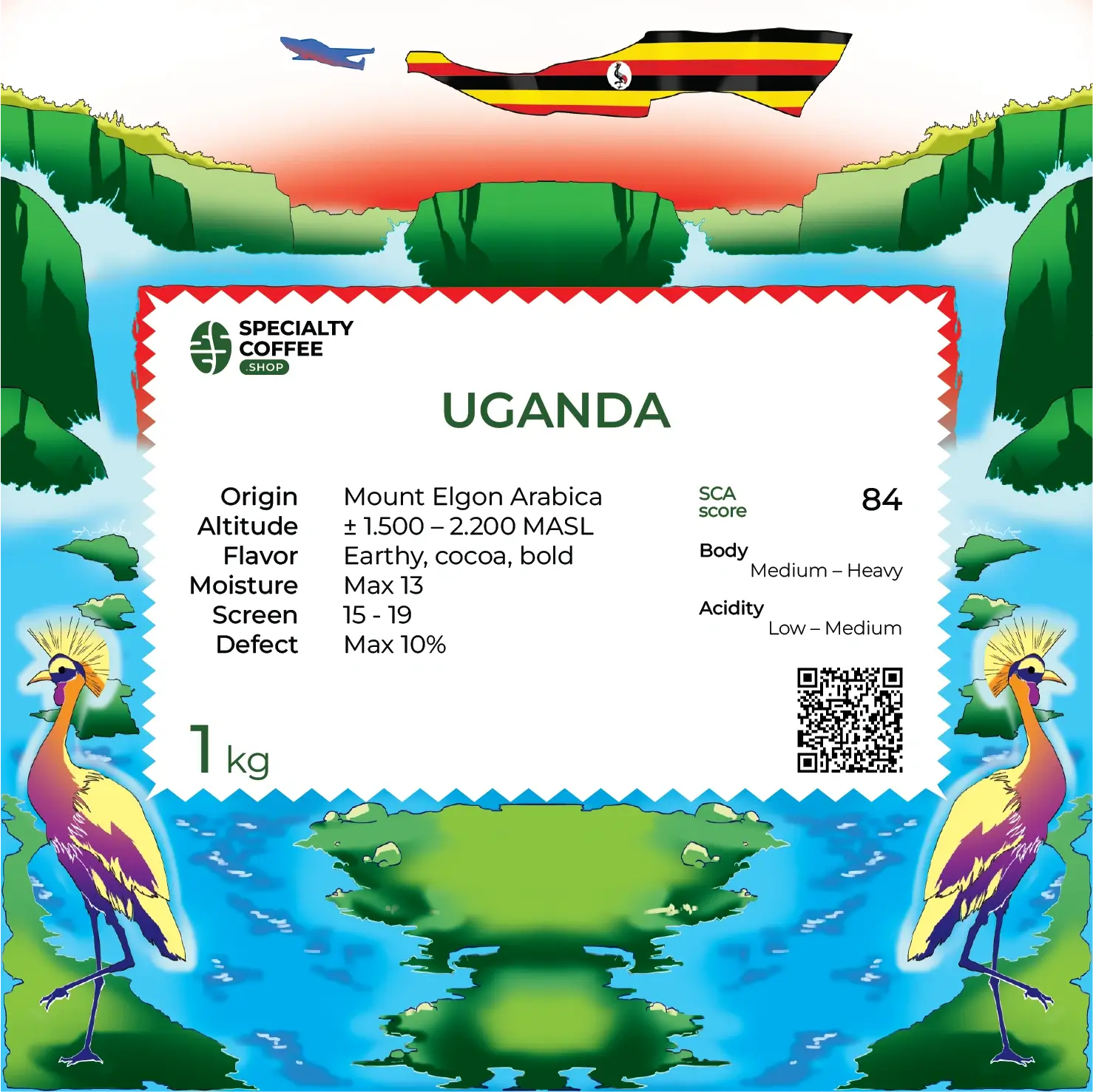
Uganda Bugisu - 1 Kg
84 SCA
Earthy
Cocoa
Bold
Washed ·
1500 - 2200 MASL
Medium
Price range: $40 through $200
— The atlas

Every coffee is a place before it is a flavour.

Fifteen countries sit inside the coffee belt we buy from, and ten of our regions sit in one of them. Tap a country to see what it grows, how it is processed, what it tastes like, and which lots are on the shelf today.

Drag to slide · double-click to zoom · click any dot Indonesia · Sumatra to Papua · 8 lots in stock

15 origins on one map. Indonesia is selected. Press Indonesia, or zoom past 4×, to reach the ten regions we buy from.

Home origin 8 lots in stock

Indonesia

Sumatra · Java · Sulawesi · Bali · Flores · Papua

Home. Ten regions across 5,120 km of islands, and the only country that wet-hulls at scale.

Altitude
1,100–2,000 m
Processing
Wet-hulled, washed, honey, natural
Flavour notes
CocoaEarthSpiceHerb
08001,6002,400 M
Origin country 3 lots in stock

Ethiopia

Yirgacheffe · Guji · Sidama

Where coffee is from. Thousands of heirloom varieties still growing wild in forest.

Altitude
1,750–2,200 m
Processing
Washed, natural
Flavour notes
JasmineBergamotLemonPeach
08001,6002,400 M
Origin country 2 lots in stock

Kenya

Nyeri · Kirinyaga

SL28 and SL34 on red volcanic soil, the most intense cup commonly sold.

Altitude
1,600–2,000 m
Processing
Washed, double soak
Flavour notes
BlackcurrantGrapefruitTomato leaf
08001,6002,400 M
Origin country 1 lot in stock

Rwanda

Nyamasheke · Huye

Bourbon on hillsides too steep for machinery, farmed entirely by hand.

Altitude
1,700–2,000 m
Processing
Washed
Flavour notes
Red berryFloralOrange blossom
08001,6002,400 M
Origin country 1 lot in stock

Uganda

Mt. Elgon · Bugisu

Africa’s largest exporter by volume, and its most underrated arabica.

Altitude
1,500–2,200 m
Processing
Washed, natural
Flavour notes
Red wineDark chocolatePlum
08001,6002,400 M
Origin country 2 lots in stock

Colombia

Huila · Nariño

Two harvests a year and the most consistent washed profile in the Americas.

Altitude
1,500–1,900 m
Processing
Washed
Flavour notes
Red appleCaramelPanela
08001,6002,400 M
Origin country 2 lots in stock

Brazil

Cerrado Mineiro · Sul de Minas

The base of most espresso on earth. Low acid, heavy sweetness, endlessly forgiving.

Altitude
900–1,300 m
Processing
Natural, pulped natural
Flavour notes
PeanutMilk chocolateCaramel
08001,6002,400 M
Origin country 1 lot in stock

Peru

Cajamarca · Amazonas

High-altitude organic smallholder coffee at a price that still makes sense.

Altitude
1,600–2,000 m
Processing
Washed
Flavour notes
Dark chocolateOrangeWalnut
08001,6002,400 M
Origin country 1 lot in stock

Costa Rica

Tarrazú · West Valley

The country that invented micro-mills, and with them modern honey processing.

Altitude
1,200–1,900 m
Processing
Honey, washed
Flavour notes
HoneyTangerineAlmond
08001,6002,400 M
Origin country 1 lot in stock

Guatemala

Antigua · Huehuetenango

Volcanic soil and cool nights give Central America its most structured chocolate cup.

Altitude
1,500–1,700 m
Processing
Washed
Flavour notes
CocoaGreen appleBaking spice
08001,6002,400 M
Origin country 1 lot in stock

Mexico

Chiapas · Oaxaca

The world’s largest source of certified organic coffee, most of it from indigenous cooperatives.

Altitude
1,100–1,700 m
Processing
Washed
Flavour notes
CocoaPecanSoft citrus
08001,6002,400 M
Origin country 1 lot in stock

Panama

Boquete · Volcán

Where Geisha was rediscovered in 2004 and rewrote what coffee could be worth.

Altitude
1,500–1,800 m
Processing
Washed, natural
Flavour notes
JasmineWhite peachBergamot
08001,6002,400 M
Origin country Out of season

Jamaica

Blue Mountain

The most protected name in coffee: gentle, low-acid, priced by scarcity.

Altitude
900–1,700 m
Processing
Washed
Flavour notes
AlmondCreamMild citrus
08001,6002,400 M
Origin country Out of season

Papua New Guinea

Waghi Valley · Sigri

Typica descended from Blue Mountain seed, grown in highland garden plots.

Altitude
1,400–1,800 m
Processing
Washed
Flavour notes
CocoaTropical fruitBrown sugar
08001,6002,400 M
Origin country Out of season

Thailand

Doi Chaang · Chiang Rai

Planted in the 1970s to replace opium; now Southeast Asia’s quiet success.

Altitude
1,200–1,600 m
Processing
Washed, honey
Flavour notes
CocoaCitrusRoasted nut
08001,6002,400 M
— Not sure where to start

Six questions. Three lots you'll actually like.

No account and no email. It matches your answers against the cupping notes of everything in stock right now, and shows you why it picked what it picked.

— The origin flight

Can't choose? Taste five origins for the price of two bags.

Five 100 g bags, five countries, five processes: Sumatra wet-hulled, Ethiopia washed, Kenya double-soaked, Kerinci honey, Bali natural. One cupping sheet in the box so you can score them yourself. Ships the day after roast.

— Where we're from

Everyone sells “Sumatra”. We sell ten Indonesian regions by name.

Most shops carry one Indonesian coffee and call it Sumatra. Indonesia grows coffee across 5,120 km of islands, the same span as London to Tehran, on volcanic soil at ten different altitudes, under four different processing traditions. A wet-hulled Lintong and a honey-processed Kerinci have almost nothing in common in the cup.

We live here. Our cupping table is in Medan, and we are back in Aceh, Toraja, Bajawa and the Baliem every harvest. That is why the Indonesian half of this shop has ten entries instead of one.

Our Indonesian coffee beans come from nine cooperatives we buy from directly, region by region, harvest by harvest.

Region
Island
Altitude
Process
In the cup
Aceh Gayo
Sumatra
1,200–1,600 m
Wet-hulled
Dark chocolate, cedar, brown sugar. Indonesia’s largest arabica region.
Lintong Mandheling
Sumatra
1,100–1,500 m
Wet-hulled
Earth, tobacco leaf, clove. The reference point for “Sumatra”.
Kerinci
Sumatra
1,400–1,700 m
Honey & natural
Tropical fruit and lemongrass. Indonesia’s brightest surprise.
Lampung
Sumatra
800–1,200 m
Natural (fine robusta)
Roasted nut and molasses. Crema and backbone for espresso.
Java Preanger
Java
1,200–1,600 m
Washed
Cocoa nib and hazelnut, from where “a java” got its name.
Java Ijen
Java
1,300–1,650 m
Washed
Milk chocolate and orange peel, grown between two volcanoes.
Bali Kintamani
Bali
1,200–1,600 m
Washed & honey
Orange and jasmine, intercropped with citrus by temple custom.
Flores Bajawa
Flores
1,200–1,600 m
Wet-hulled & washed
Dark chocolate and vanilla on soil that has never needed fertiliser.
Toraja
Sulawesi
1,400–1,900 m
Wet-hulled & washed
Ripe plum and warm spice. The most structured cup Indonesia grows.
Papua Wamena
Papua
1,400–2,000 m
Washed
Milk chocolate and soft citrus from the Baliem Valley.
— Before you spend $24 on coffee

“Premium” is a marketing word. “Specialty” is a score.

Any roaster can print premium on a bag. Nobody checks. Specialty is different: a licensed Q Grader cups the coffee blind against a standard scoresheet, and the coffee has to reach 80 points out of 100, with no primary defects, to be called specialty at all. Below 80 it is commodity coffee, whatever the bag says.

So premium specialty coffee means both things at once: a cup that clears the 80-point line, and a lot worth the price above it. Everything in this shop clears three cupping tables and scores between 85 and 90.5. We publish the number on the product page, including the lots that only managed 85.

.
Commodity coffee
“Premium” coffee
Specialty coffee
Who decides
Nobody
The brand's marketing
A licensed Q Grader
Score
Under 80
Not scored
80+ on the SCA scale
Traceability
Country, sometimes
Region, sometimes
Farm, cooperative, lot number
Roast date
Rarely printed
Sometimes
Printed on every bag
— Why buy here

Six things we'll put in writing.

You are buying from the people who cup it

No broker before us and no reseller after us. The team that sat at the farm gate and scored the lot is the team that packs your bag.

01

Roasted to order, dated, never stocked

We roast Mondays and Thursdays against real orders. Nothing sits in a warehouse. The roast date is printed on the bag, with no best-before to hide behind.

02

Direct from 1,400 smallholder farms

Nine cooperatives across Aceh, Toba, Toraja, Bajawa and the Baliem. Average farm size 0.8 hectares. We pay above the local collector price and publish the difference.

03

Three cupping tables, or it is not listed

Blind at the farm gate during harvest, again in the Medan lab, and once more before the first bag is roasted. Moisture, water activity, screen size, defect count and score all go on the product page, including when the score is 85.

04

Fifteen origins, one cupping table

The same scoresheet judges a Sumatran and a Kenyan, so the numbers on our pages mean the same thing across every country we buy from.

05

Ethics you can audit, not a badge

Organic, Rainforest Alliance and Fair Trade where the co-op holds it. Where they do not, we publish the price we paid anyway. Certification is evidence, not the point.

06
1,400+
Smallholder partners
24
Lots in stock now
16
Origin countries
86.5
Average SCA score
— Bought and brewed

What people say after the second bag.

Four home brewers and one professional: the composition this section needs. Slots stay empty until the reviews are real and checkable.

— Learn coffee

Know what you're drinking before you buy it.

Nine guides, no gatekeeping, written by the people who cup the lots. Start with the 80-point line and work outwards.

— Asked before the first order

Questions we get before the first order

“Premium” is a label a brand gives itself; no one verifies it. “Specialty” is a grade: a licensed Q Grader cups the coffee blind and it must score 80 or more out of 100 with no primary defects. Every lot we sell scores between 85 and 90.5.

Single origin means the coffee comes from one place: for us, one named region and usually one cooperative. It is not automatically better than a blend; it is more specific. A blend is built for consistency, a single origin is bought so you can taste one place clearly.

Because of what it costs before roasting. Specialty lots are picked selectively, processed in small batches, cupped and rejected if they fail, and bought above commodity price. We buy from nine cooperatives above the local collector price and publish the differential we paid.

We roast against real orders on Mondays and Thursdays and dispatch within 48 hours, so your bag leaves the roastery within a week of being roasted. The roast date is printed on every bag. There is no best-before date hiding an older roast.

If you normally drink dark roast, start with Aceh Gayo Grade 1, which is chocolate and cedar with no sharp acidity. If you want to taste why people care about specialty coffee, start with Ethiopia Yirgacheffe. Or take the origin flight and try five countries at once.

Whole bean is the default because ground coffee loses most of its aroma within thirty minutes. We will grind to your brewer at checkout at no charge, whether that is espresso, moka pot, V60, Chemex, AeroPress, French press or cold brew, if you do not own a grinder yet.

Open the bag between four days and four weeks after the roast date. Before four days it is still degassing; after about six weeks the aromatics flatten even in a sealed valve bag. Keep it sealed at room temperature, away from light. Not in the fridge.

Yes. Roasted retail bags ship worldwide from Medan, and most US orders arrive in five to eight working days. Shipping is free on US orders over $60, and every bag leaves with its roast date and lot number on the label.

Brew mail · every other Thursday

One brewing tip. One lot. No noise.

Recipes we actually use on the cupping table, and a heads-up when a micro-lot lands. Unsubscribe in one click.

We have never sold a list, and we never will.