Green coffee sourcing desk — Jakarta, Indonesia
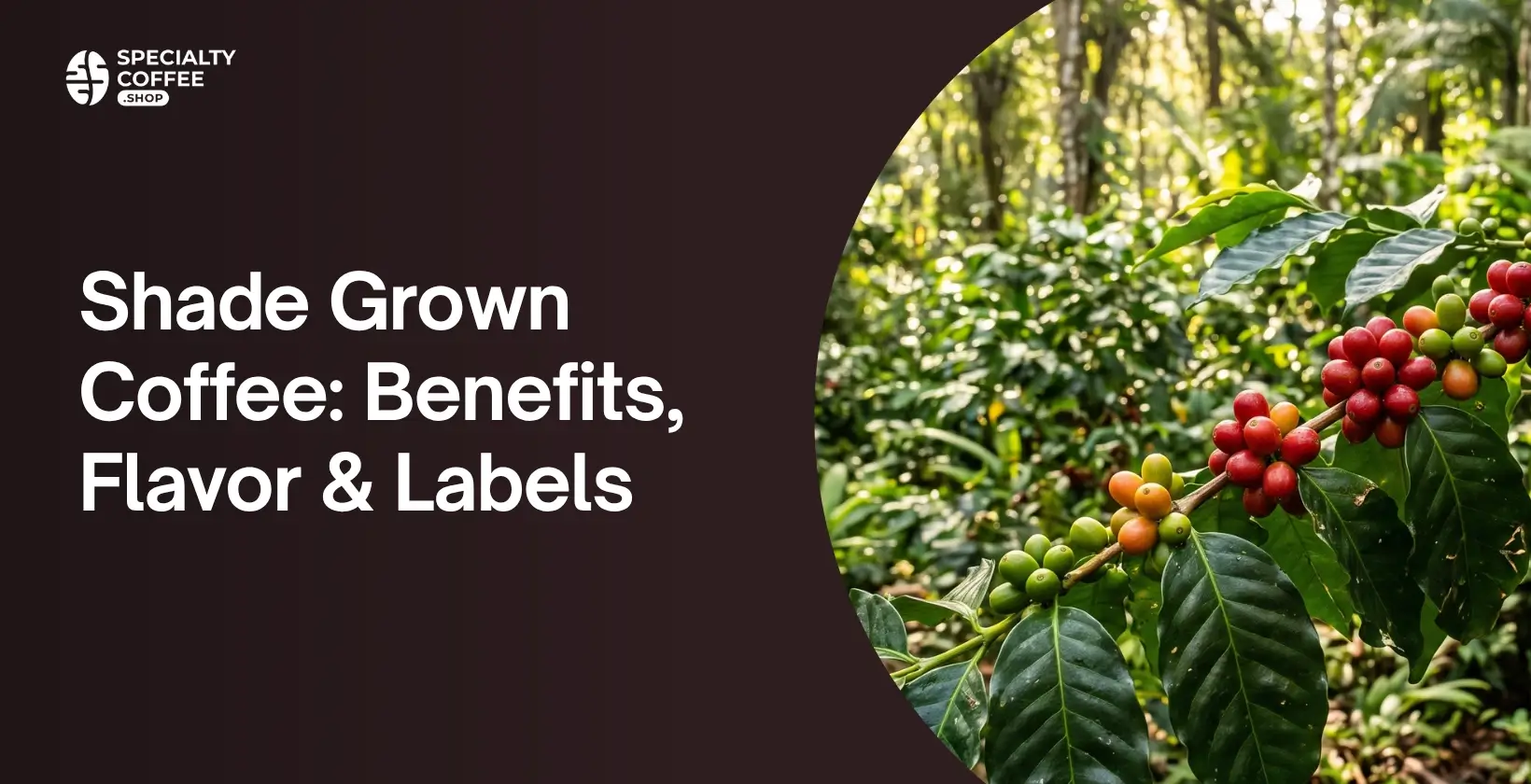
Shade grown coffee is coffee cultivated beneath a canopy of trees rather than in a simplified full-sun system. The approach can support biodiversity, moderate farm microclimates, protect soil, and provide farmers with additional products from the same land. However, the phrase itself does not describe one universal farming standard. That
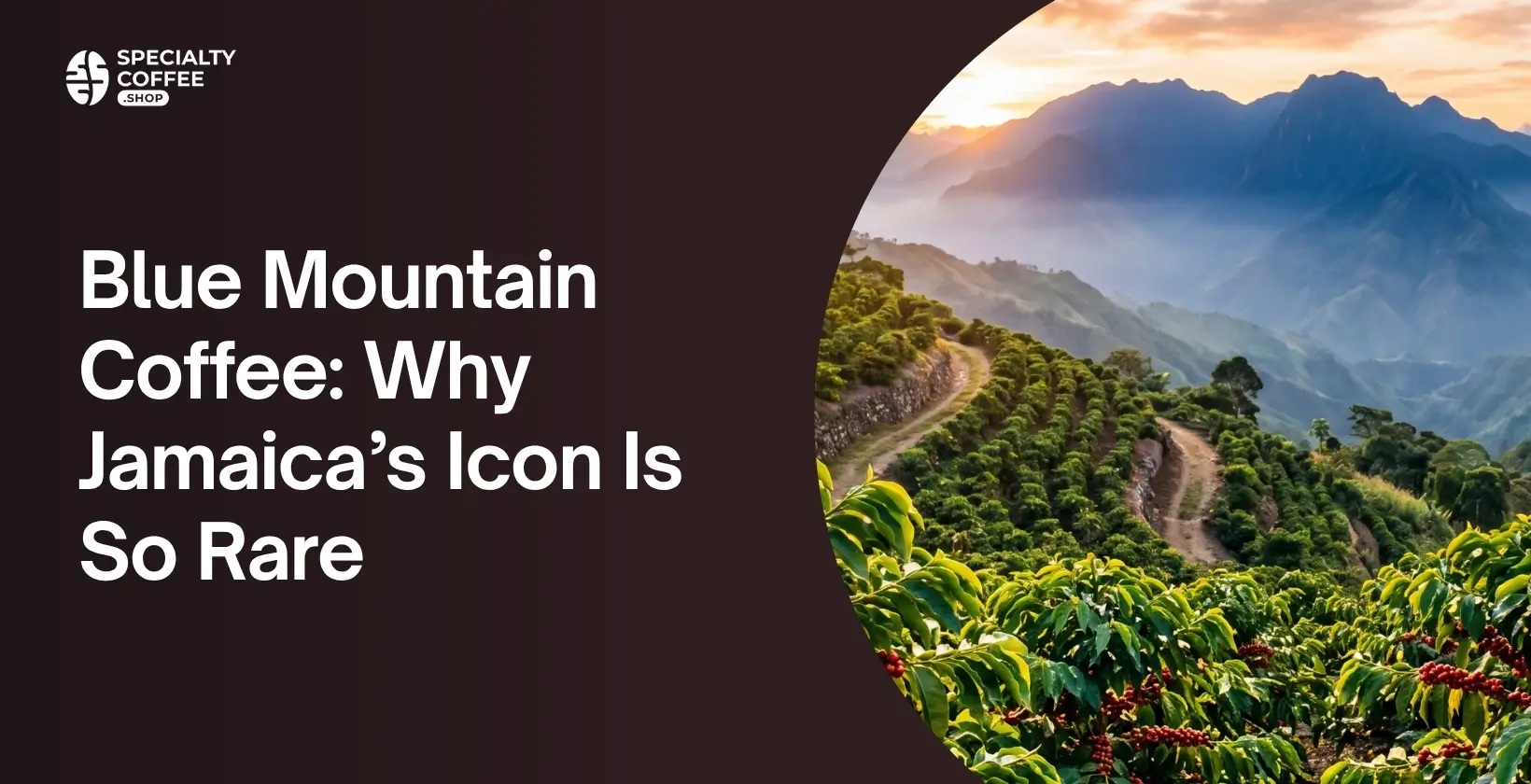
Blue Mountain coffee is rare because its name is tied to a controlled Jamaican origin, while production also depends on demanding mountain conditions, selective agriculture, low-yield Arabica genetics, and a regulated trademark system. That matters because “rare” here is not merely marketing language: authentic Jamaica Blue Mountain coffee has an
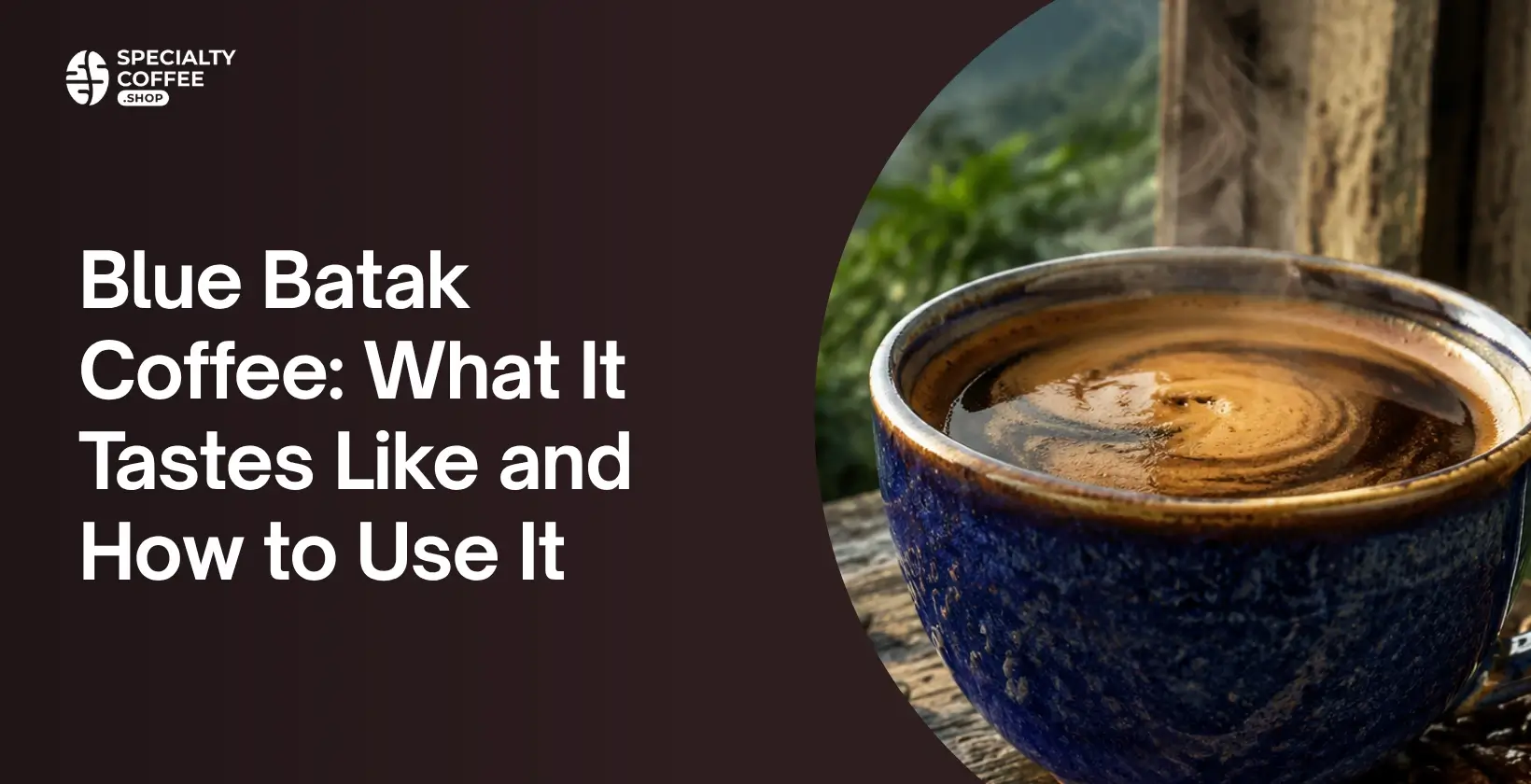
Blue Batak coffee is a North Sumatran Arabica known for herbal spice, restrained acidity, and a rounded cup that can feel cleaner than many people expect from Sumatra. A good lot combines savory depth with sweetness and a clear finish. This guide explains how to identify, roast, brew, compare, and

Coffee sustainability succeeds only when environmental protection, viable producer livelihoods, and responsible operations improve together—from farming to disposal. A low-waste café cannot compensate for harmful land conversion, while a certification seal cannot fix inefficient roasting or an unviable producer price. The useful question is not simply, “Is this coffee sustainable?”
Natural coffee is increasingly becoming a favorite choice for coffee lovers who are looking for a purer, more authentic cup of coffee. It promises rich flavors without the chemicals and additives often found in mass-produced coffee. In this guide, we’ll explore what natural coffee is, its health benefits, types, how
Most specialty Sumatra coffee is Arabica, which puts a standard cup somewhere in the range of 100 to 235 mg of caffeine, depending almost entirely on how much dry coffee you used and how big the drink is. The word “Sumatra” on the bag tells you very little about caffeine
Traceable coffee beans give buyers a verifiable line of sight into where a coffee came from, how it was processed, and how a specific lot moved through the supply chain. That information helps distinguish one coffee from another, investigate quality issues, plan repeat purchases, and communicate origin claims more responsibly.
Direct trade coffee differs from Fair Trade mainly in who sets the rules and how those rules are verified. Direct trade coffee is a relationship-led sourcing model without one universal certification, while Fairtrade is a standards-based system with published requirements, pricing mechanisms, and independent assurance. Research also notes that direct
Wild kopi luwak coffee is the more defensible ethical choice when civets remain free-roaming, and collectors gather naturally deposited scat, but “wild” on a label is not proof. The real test is whether the supply chain can show that civets were not captured, confined, or managed to increase output. This
A coffee altitude chart is a useful shortcut for predicting how elevation may influence flavor. Lower-grown coffees often lean toward rounder, softer acidity, while higher-grown coffees frequently show brighter acidity, stronger aromatics, and greater complexity. The reason is not altitude alone. Higher elevations are generally cooler, which can slow cherry
One article, one brewing tip, every other Thursday.