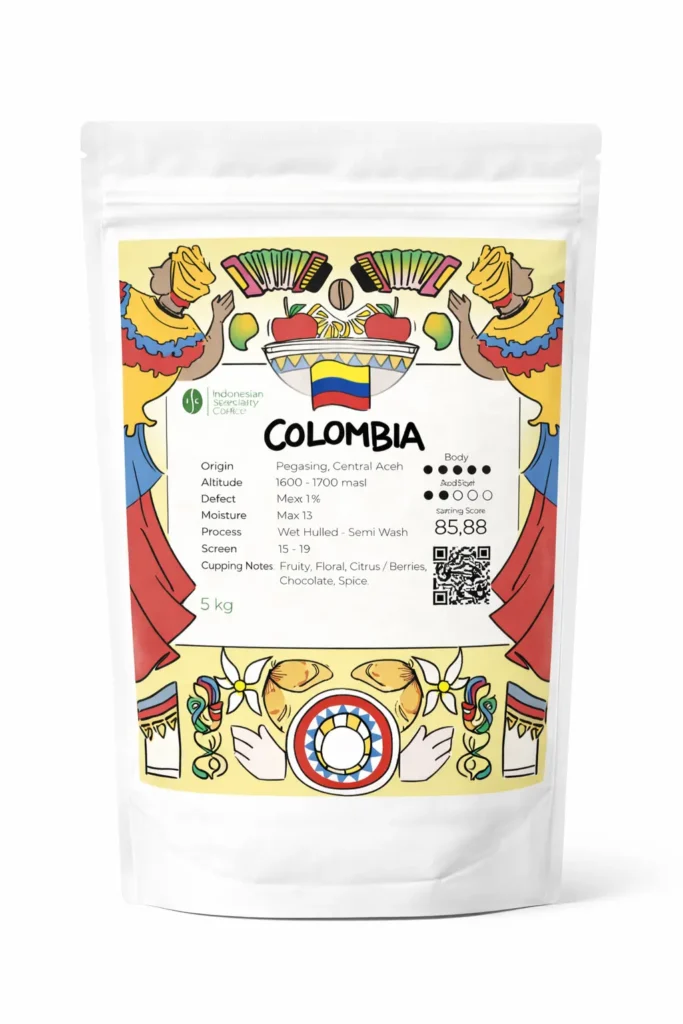
Brazil’s heartland coffee lives in Minas Gerais, where sun, altitude, and red clay build sweetness. This state is the engine room of Brazilian production, yet it still rewards careful tasting. Farms range from wide, mechanized plateaus to cooler, highland pockets with finesse. In the cup, Minas often taste like comfort with structure: chocolate, nuts, and caramel, refined by clean sweetness.
Minas Gerais is not one flavor, but a set of subregions with shared discipline. Cerrado brings steady cocoa and low acidity, while Mantiqueira adds brighter fruit and floral lift. Many lots use natural or pulped natural methods, designed for sweetness and body. When roasted well, Minas coffees feel balanced and dependable, but never boring, especially when the lot is traceable and fresh.
“Brazil” names the country, while “Minas Gerais” identifies the state where the coffee is grown. It is often a regional label, not a single farm, so flavor depends on subregion and selection. The name can include Cerrado Mineiro, Sul de Minas, or Mantiqueira de Minas, each with different altitude and climate. In short, it means Brazilian coffee from Minas, usually sweetness-forward and steady.
Minas is known for organized harvesting, strong cooperatives, and consistent grading standards. Many farms use mechanical picking where terrain allows, then sort carefully by density and ripeness. Post-harvest choices vary, but naturals and pulped naturals dominate for body and caramel sweetness. When the label is generic, ask for more detail: process, crop year, and subregion. Those details predict the cup more than the state name alone.
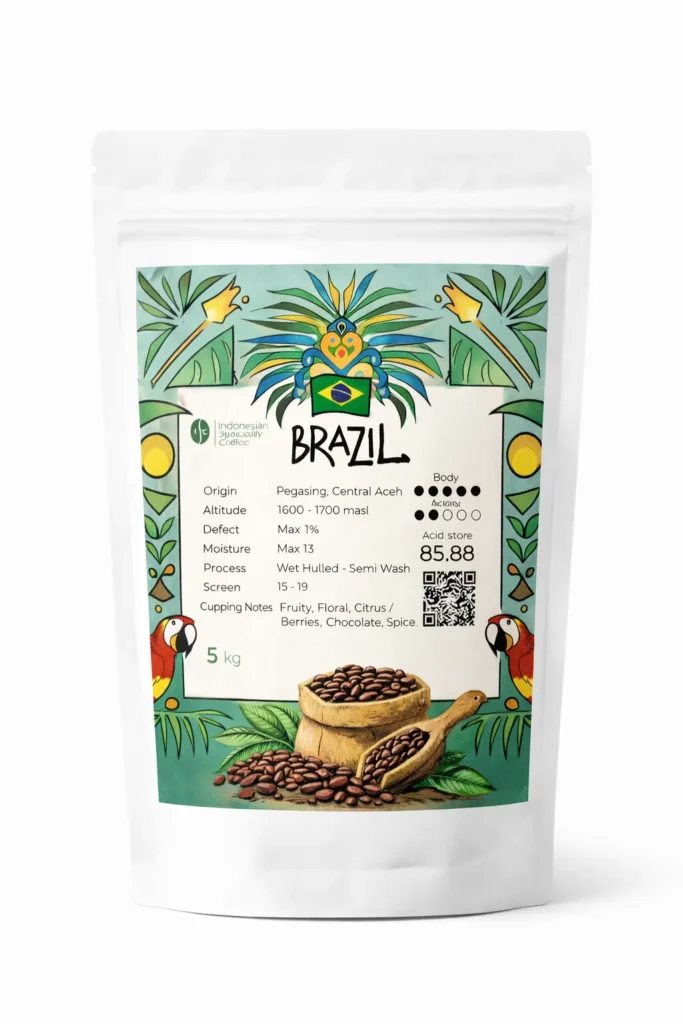
Most Minas Gerais coffees present milk chocolate, roasted nuts, and caramel as the foundation. Acidity stays low to medium, often like sweet orange rather than sharp lemon. The body feels creamy and rounded, making it ideal for espresso and milk drinks. Depending on the subregion, you may get subtle fruit notes like yellow plum, dried apricot, or red apple. The finish tends to be calm, sweet, and clean.
Cerrado Mineiro lots usually taste more chocolate-nut, with a broad, stable sweetness. Sul de Minas can show more fruit and a softer floral hint, especially at higher elevations. Mantiqueira de Minas often adds crispness and clearer aromatics, with honey and citrus lift. If the coffee tastes too heavy, the roast likely runs dark. If it tastes flat, it may be older or over-extracted. Minas shine when freshness is protected.
Roast Minas from light-medium to medium, depending on the lot and process. Naturals can handle slightly more development to deepen toffee and cocoa without bitterness. Pulped naturals often shine at medium-light, where sweetness stays bright and texture stays glossy. Avoid pushing into smoky roast, which hides the origin’s natural sweetness. A good Minas roast tastes like caramel and nuts, not generic “dark coffee.”
For the filter, use a slightly finer grind and steady pours to build sweetness and body. Keep water temperature moderate, because Minas extracts easily and can turn dull if over-pushed. For espresso, aim for balance: enough yield to show caramel sweetness, not so short that it tastes harsh. In milk, Minas become silky and dessert-like. As black coffee, it should feel clean, sweet, and quietly structured, not heavy.