
Coffee Sustainability: Challenges from Farm to Cup
Coffee sustainability succeeds only when environmental protection, viable producer livelihoods, and responsible operations improve together—from farming to disposal. A low-waste café cannot compensate for harmful land conversion, while a certification seal cannot fix inefficient roasting or an unviable producer price. The useful question is not simply, “Is this coffee sustainable?” but “Which impacts are measured, […]
Sumatra Coffee Caffeine Content: How Much Is Actually in Your Cup?

Most specialty Sumatra coffee is Arabica, which puts a standard cup somewhere in the range of 100 to 235 mg of caffeine, depending almost entirely on how much dry coffee you used and how big the drink is. The word “Sumatra” on the bag tells you very little about caffeine on its own. That surprises […]
What Do Traceable Coffee Beans Mean for Coffee Buyers?

Traceable coffee beans give buyers a verifiable line of sight into where a coffee came from, how it was processed, and how a specific lot moved through the supply chain. That information helps distinguish one coffee from another, investigate quality issues, plan repeat purchases, and communicate origin claims more responsibly. It matters because a country […]
Direct Trade Coffee: How It Differs from Fair Trade
Direct trade coffee differs from Fair Trade mainly in who sets the rules and how those rules are verified. Direct trade coffee is a relationship-led sourcing model without one universal certification, while Fairtrade is a standards-based system with published requirements, pricing mechanisms, and independent assurance. Research also notes that direct trade lacks a single consensual […]
Wild Kopi Luwak Coffee: Ethical Sourcing vs Caged Production
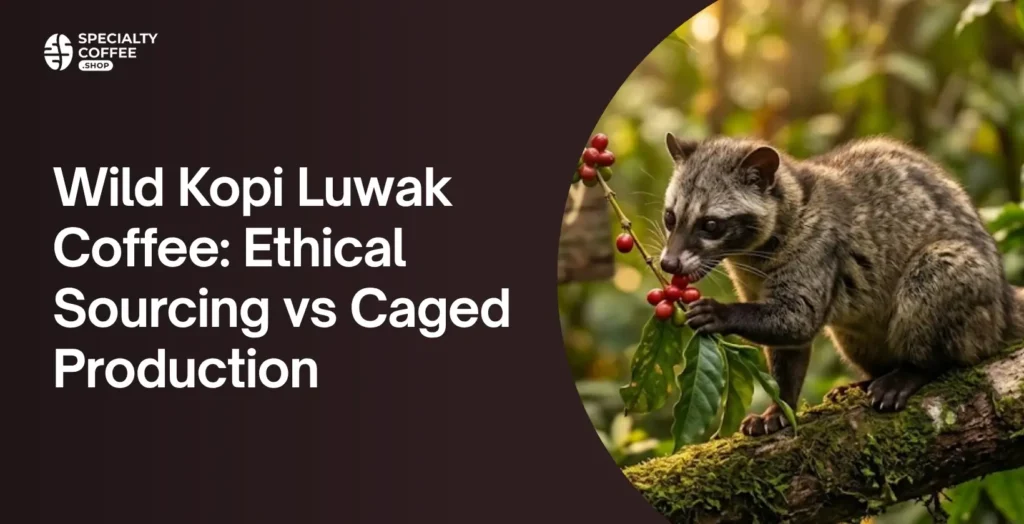
Wild kopi luwak coffee is the more defensible ethical choice when civets remain free-roaming, and collectors gather naturally deposited scat, but “wild” on a label is not proof. The real test is whether the supply chain can show that civets were not captured, confined, or managed to increase output. This distinction matters because recent research […]
Coffee Altitude Chart: How Elevation Shapes Flavor
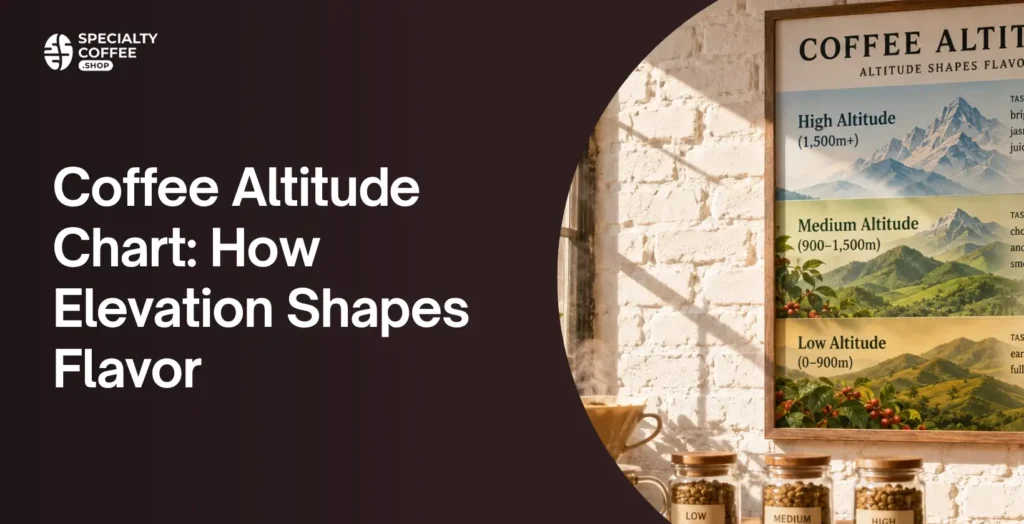
A coffee altitude chart is a useful shortcut for predicting how elevation may influence flavor. Lower-grown coffees often lean toward rounder, softer acidity, while higher-grown coffees frequently show brighter acidity, stronger aromatics, and greater complexity. The reason is not altitude alone. Higher elevations are generally cooler, which can slow cherry maturation and influence the development […]
Fair Trade Coffee Meaning: What the Label Actually Guarantees

The fair trade coffee meaning is straightforward: a recognized certification label shows that the coffee was produced and traded under audited social, economic, and environmental standards. Depending on the certification system, those standards may include a minimum-price mechanism, an additional community or producer premium, labor protections, environmental requirements, and supply-chain controls. It matters because phrases […]
How to Choose Coffee Beans Based on Taste, Origin, and Roast
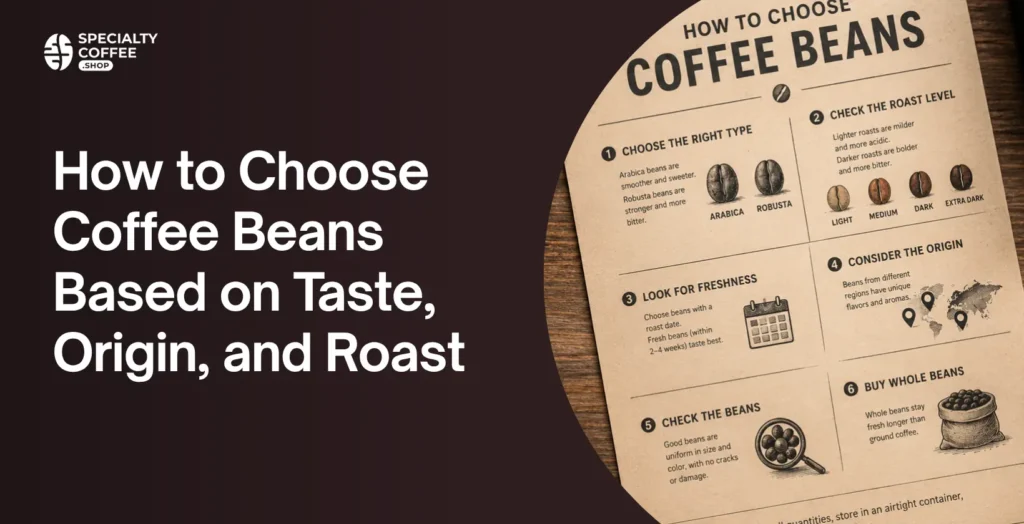
The best way to choose coffee beans is to start with freshness, then narrow by roast level, origin, and flavor until you find beans that suit how you brew and what you like to drink. Most disappointing cups come from stale, pre-ground coffee, not bad taste. Getting it right means fresher, better coffee for the […]
The Ethiopian Coffee Ceremony: Ritual, Meaning, and Steps
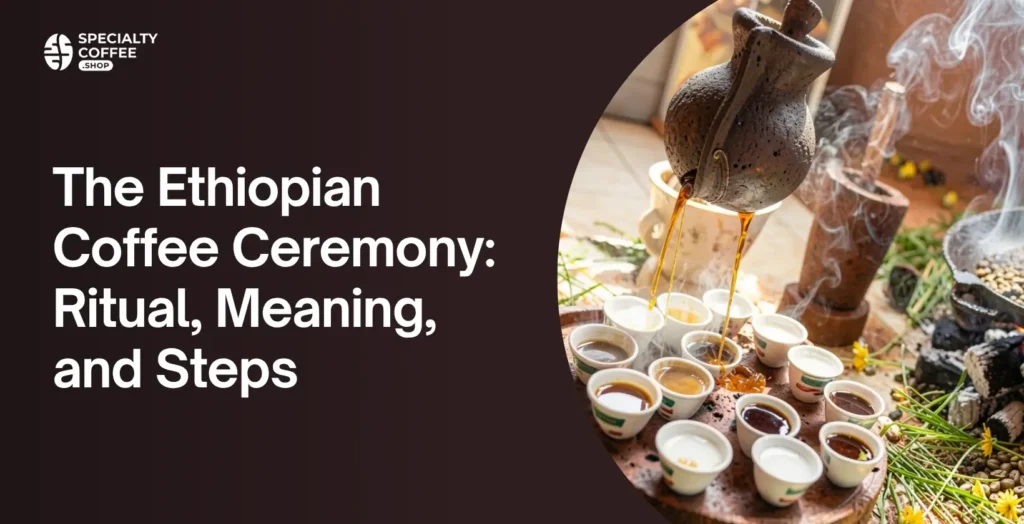
The Ethiopian coffee ceremony turns coffee preparation into an extended act of hospitality: green beans are roasted, ground, brewed in a clay jebena, and served in three rounds. Its importance lies less in extraction precision than in the time it creates for welcoming guests, exchanging news, and strengthening relationships. UNESCO’s heritage documentation describes the tradition […]
Yirgacheffe Coffee: Origin, Flavor, and How to Brew It
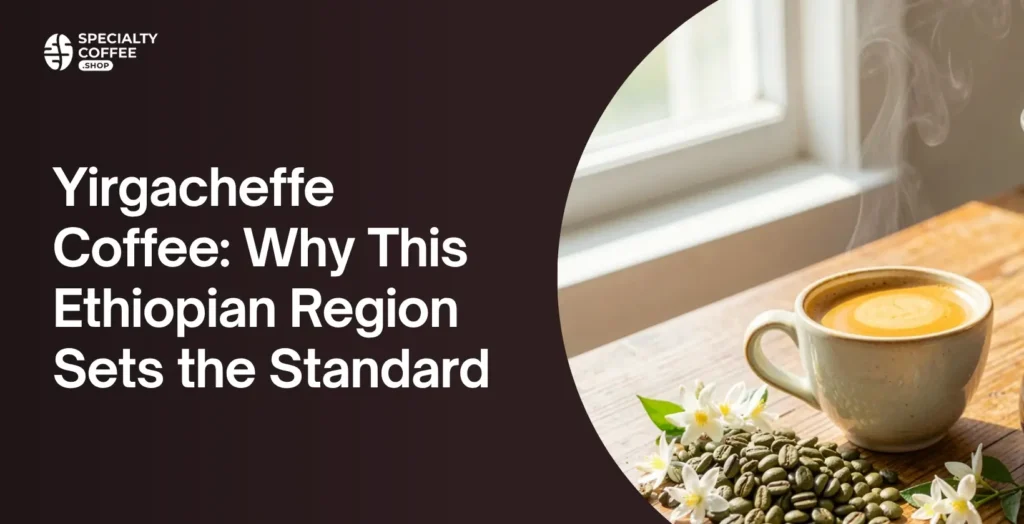
Yirgacheffe coffee is Ethiopian Arabica known for floral aromas, citrus brightness, and a delicate, tea-like finish. A washed lot may remind you of jasmine, lemon, or bergamot, while a naturally processed lot can move toward ripe fruit and a rounder texture. Those descriptions are a starting point. The region produces different coffees, and processing, roast […]
